Food Safety Digital Twin

Simulating Risks Before They Become Non-Conformities What if your food safety system could show the next risk before it becomes a non-conformity? In many food manufacturing facilities, food safety teams still spend a significant amount of time documenting what has already happened. Audit findings are recorded after the audit. Corrective actions are opened after the…


Foreign Material Control in Food Manufacturing

How to Manage Physical Contamination Risks Food safety management is often discussed through microbiological risks, allergens, sanitation programs, supplier documents, and audit findings. However, one of the most visible and critical risks in food manufacturing is foreign material contamination. A piece of metal, glass, hard plastic, stone, bone, wood, or equipment fragment found in a…

Leading vs. Lagging KPIs in Food Safety

Food safety teams generate and review large volumes of data every day: audit findings, supplier records, corrective actions, training logs, hygiene checks, environmental monitoring results, customer complaints, and process deviations. But the real question is not whether the data exists. The real question is: Does your data help you prevent food safety risks, or does…

Food Safety Data Governance

The Structural Backbone of a Reliable FSMS Modern food manufacturing operates in a data-saturated environment. Every sanitation activity, environmental swab result, supplier approval, corrective action, temperature deviation and verification record generates information. Over time, organizations accumulate thousands of entries across departments. Yet despite this volume, many companies still struggle with delayed risk detection, audit anxiety,…

Sanitation Exists, So Why Does Contamination Keep Returning?

In many food manufacturing facilities, sanitation programs are implemented on a regular basis. Cleaning plans are defined, appropriate chemicals are used, and all activities are properly documented. Yet one reality is frequently observed on the shop floor: contamination keeps returning. This situation does not usually mean that sanitation is not being performed. On the contrary,…

Digital Maintenance and Equipment Hygiene

A Missing Link in Food Safety Management In food manufacturing, maintenance activities are often viewed through an operational lens—focused on uptime, efficiency, and cost control. However, from a food safety perspective, maintenance is far more than a technical necessity. Poorly managed maintenance processes can introduce significant contamination risks, compromise sanitation programs, and result in audit…

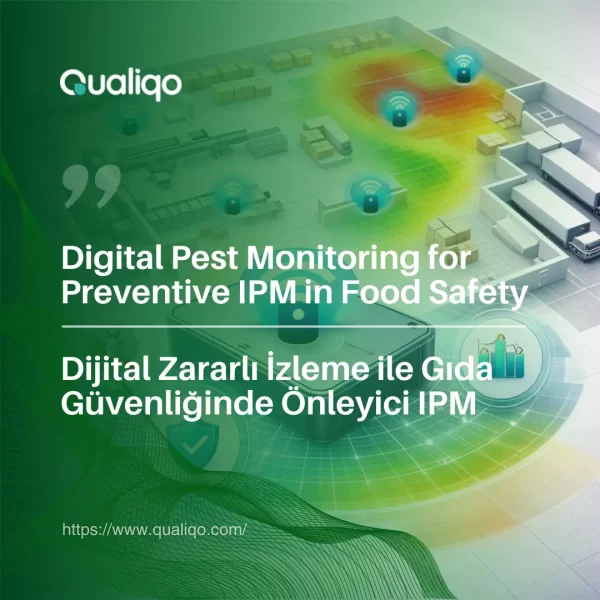
Digital Pest Monitoring for Preventive IPM in Food Safety

Data-Driven Pest Management Integrated with EMP For many years, pest management in food production facilities has been treated primarily as a control activity. Actions were taken only after pest activity was observed, records were reviewed mainly during audits, and problems were often addressed after they had already occurred. However, increasing audit expectations, multi-site operations, and…

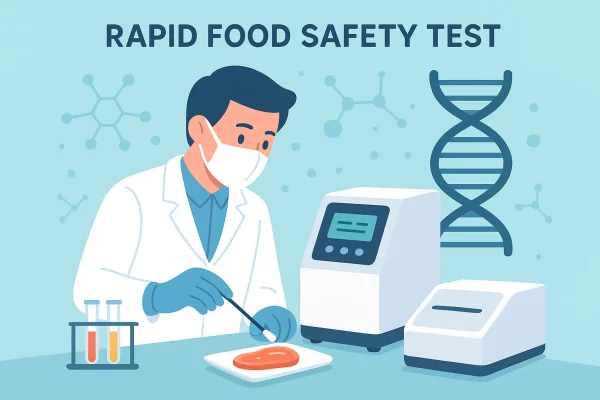
Rapid Food Safety Testing

Key Innovations in Rapid Food Safety Testing Food safety is a top priority for every company in the food industry. In today’s fast-moving global supply chains, the challenge is clear: how can we detect potential hazards before they reach consumers? Traditional microbiological testing methods often take several days to deliver results, leaving a dangerous window…

Hygiene Errors: 7 Critical Risks and How to Prevent Them

The Most Common Hygiene Failures Identified During Food Safety Audits In food production facilities, hygiene errors can lead to serious consequences—impacting product safety, legal compliance, and brand reputation. Effective hygiene management goes far beyond routine cleaning. It requires a systematic approach that is well-documented and aligned with food safety regulations. Despite best efforts, many of…