Food Safety Digital Twin

Simulating Risks Before They Become Non-Conformities What if your food safety system could show the next risk before it becomes a non-conformity? In many food manufacturing facilities, food safety teams still spend a significant amount of time documenting what has already happened. Audit findings are recorded after the audit. Corrective actions are opened after the…


Foreign Material Control in Food Manufacturing

How to Manage Physical Contamination Risks Food safety management is often discussed through microbiological risks, allergens, sanitation programs, supplier documents, and audit findings. However, one of the most visible and critical risks in food manufacturing is foreign material contamination. A piece of metal, glass, hard plastic, stone, bone, wood, or equipment fragment found in a…

Managing Pathogen Risk

The Invisible Threat and Structural Flaws in Quality Management In food safety, the most dangerous assumption is believing unseen risks cause no harm. Microbiological swab sampling verifies sanitation effectiveness across floors, drains, equipment structures, and air handling systems. These activities form the foundation of every Environmental Monitoring Program (EMP). However, the real crisis extends beyond…

Overcoming Audit Fatigue

The Hidden Crisis: Audit Fatigue in the Food Industry For Quality Directors, certain times of the year are synonymous with “crisis management.” As a BRCGS or IFS audit approaches, normal operations often stall, documentation chaos peaks, and teams are pushed to their limits. This phenomenon, known as “Audit Fatigue,” is more than just a source…

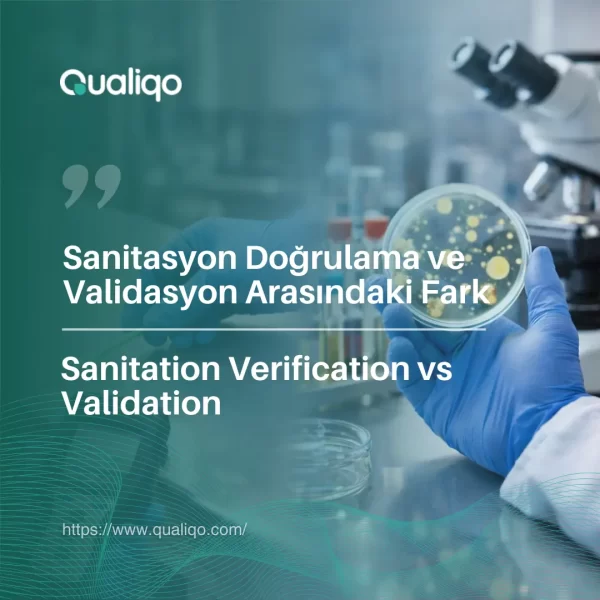
Sanitation Verification vs Validation

Ensuring Effective Cleaning Control within FSMS Sanitation practices are a fundamental component of food safety in production facilities. However, in many organizations, cleaning effectiveness is assessed primarily through visual inspections or periodic test results. While these methods indicate whether cleaning activities were performed, they do not always demonstrate whether they were performed correctly and effectively.…

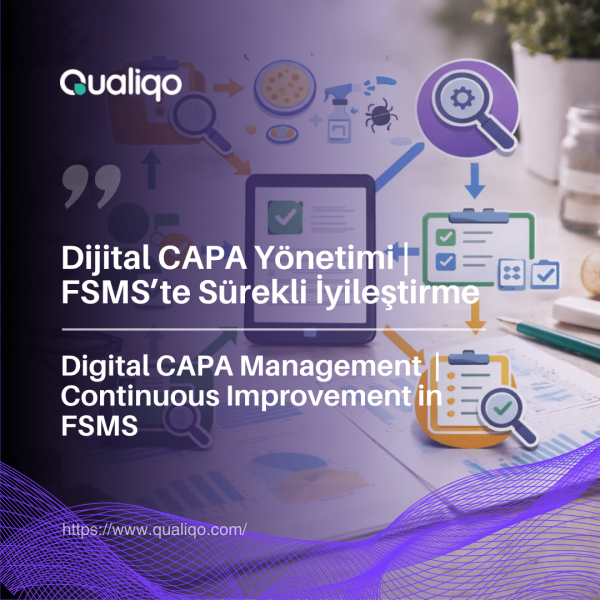
Digital Management of Corrective and Preventive Actions (CAPA) in FSMS

Enabling Continuous Improvement in Food Safety Identifying non-conformities is only the first step in food safety management. The real value lies in how these issues are analyzed, addressed, and prevented from recurring. In many organizations, CAPA processes are still managed through fragmented records and manual follow-ups. This often leads to repeated issues and inconsistencies during…