Food Safety Digital Twin

Simulating Risks Before They Become Non-Conformities What if your food safety system could show the next risk before it becomes a non-conformity? In many food manufacturing facilities, food safety teams still spend a significant amount of time documenting what has already happened. Audit findings are recorded after the audit. Corrective actions are opened after the…

Foreign Material Control in Food Manufacturing

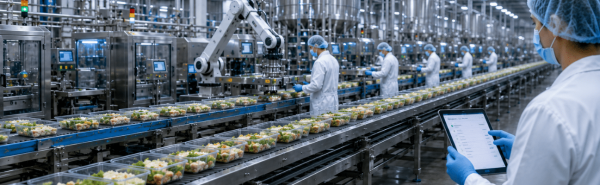
How to Manage Physical Contamination Risks Food safety management is often discussed through microbiological risks, allergens, sanitation programs, supplier documents, and audit findings. However, one of the most visible and critical risks in food manufacturing is foreign material contamination. A piece of metal, glass, hard plastic, stone, bone, wood, or equipment fragment found in a…

Leading vs. Lagging KPIs in Food Safety

Food safety teams generate and review large volumes of data every day: audit findings, supplier records, corrective actions, training logs, hygiene checks, environmental monitoring results, customer complaints, and process deviations. But the real question is not whether the data exists. The real question is: Does your data help you prevent food safety risks, or does…

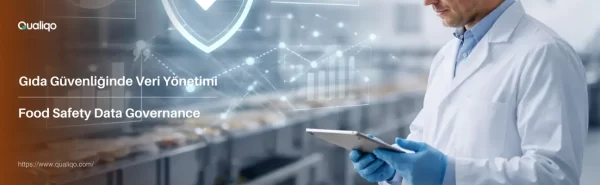
Food Safety Data Governance

The Structural Backbone of a Reliable FSMS Modern food manufacturing operates in a data-saturated environment. Every sanitation activity, environmental swab result, supplier approval, corrective action, temperature deviation and verification record generates information. Over time, organizations accumulate thousands of entries across departments. Yet despite this volume, many companies still struggle with delayed risk detection, audit anxiety,…

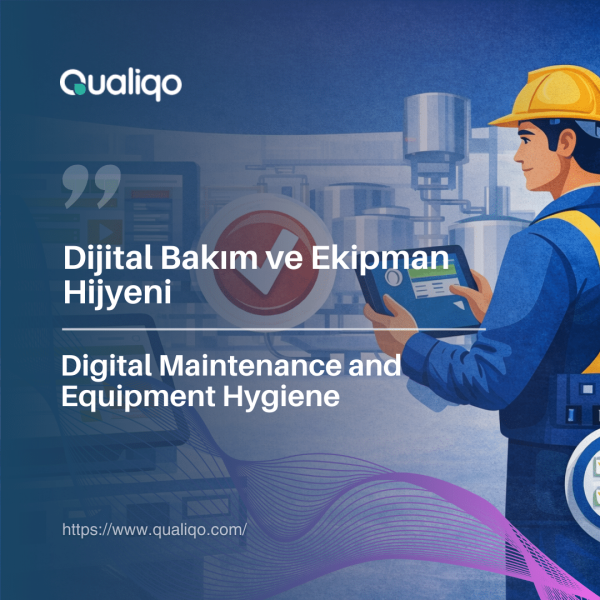
Digital Maintenance and Equipment Hygiene

A Missing Link in Food Safety Management In food manufacturing, maintenance activities are often viewed through an operational lens—focused on uptime, efficiency, and cost control. However, from a food safety perspective, maintenance is far more than a technical necessity. Poorly managed maintenance processes can introduce significant contamination risks, compromise sanitation programs, and result in audit…

A Complete Guide to Choosing the Right FSMS

Why Software Is Reshaping Food Safety The global food industry is under more scrutiny than ever. With supply chains spanning multiple countries, strict regulations like HACCP, ISO 22000, FSMA, and GFSI standards, and rising consumer expectations for transparency, food companies cannot afford lapses in safety or sanitation. Traditional paper-based systems, manual checklists, or even spreadsheets…

Digital Food Safety

Digital Food Safety: The New Era of Secure Production Through Technology Food safety is a critical concern for both consumer health and the sustainability of businesses. Globalized supply chains, increasing regulations, and evolving consumer expectations demand a new approach to food safety processes. At this point, digital food safety emerges as a key concept. Digital…

Smart Food Safety

Smarter Food Safety Starts with Your Data In food production, data is everywhere—test results, cleaning schedules, audit reports, lab findings, pest activity logs, and more. But having access to data is not the same as using it effectively. Today, leading food companies are discovering that how they manage and interpret their food safety data is…