Digital Maintenance and Equipment Hygiene

A Missing Link in Food Safety Management In food manufacturing, maintenance activities are often viewed through an operational lens—focused on uptime, efficiency, and cost control. However, from a food safety perspective, maintenance is far more than a technical necessity. Poorly managed maintenance processes can introduce significant contamination risks, compromise sanitation programs, and result in audit…
Sanitation Verification vs Validation

Ensuring Effective Cleaning Control within FSMS Sanitation practices are a fundamental component of food safety in production facilities. However, in many organizations, cleaning effectiveness is assessed primarily through visual inspections or periodic test results. While these methods indicate whether cleaning activities were performed, they do not always demonstrate whether they were performed correctly and effectively.…

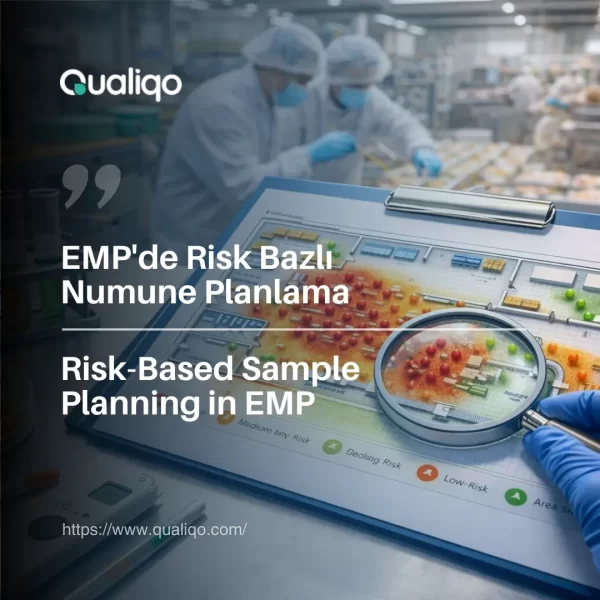
Risk-Based Environmental Monitoring Programs (EMP)

Risk-Based Sampling in Environmental Monitoring Programs (EMP) Environmental Monitoring Programs play a vital role in controlling microbiological risks in food production facilities. However, in many operations, EMPs are still treated as routine sampling activities conducted at fixed locations and predefined intervals. While this approach may support basic audit compliance, it often fails to reflect actual…

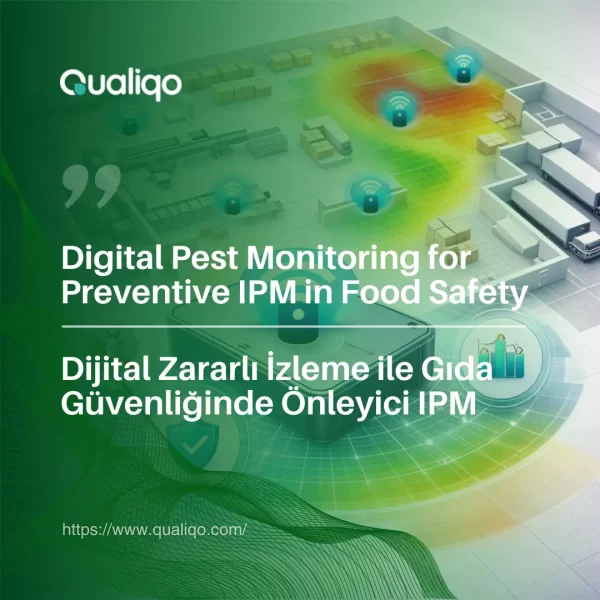
Digital Pest Monitoring for Preventive IPM in Food Safety

Data-Driven Pest Management Integrated with EMP For many years, pest management in food production facilities has been treated primarily as a control activity. Actions were taken only after pest activity was observed, records were reviewed mainly during audits, and problems were often addressed after they had already occurred. However, increasing audit expectations, multi-site operations, and…

FDA Food Safety Updates

What Food Producers and Quality Teams Must Know The FDA has announced a series of reforms aimed at improving the safety of the U.S. food supply. These include: These changes are more than just regulatory updates. They signal a shift toward stricter safety standards and greater accountability in the food industry. For food producers, quality…

A Complete Guide to Choosing the Right FSMS

Why Software Is Reshaping Food Safety The global food industry is under more scrutiny than ever. With supply chains spanning multiple countries, strict regulations like HACCP, ISO 22000, FSMA, and GFSI standards, and rising consumer expectations for transparency, food companies cannot afford lapses in safety or sanitation. Traditional paper-based systems, manual checklists, or even spreadsheets…

Digital Food Safety

Digital Food Safety: The New Era of Secure Production Through Technology Food safety is a critical concern for both consumer health and the sustainability of businesses. Globalized supply chains, increasing regulations, and evolving consumer expectations demand a new approach to food safety processes. At this point, digital food safety emerges as a key concept. Digital…

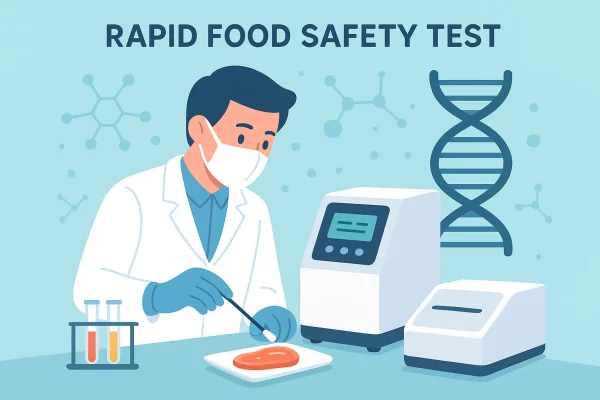
Rapid Food Safety Testing

Key Innovations in Rapid Food Safety Testing Food safety is a top priority for every company in the food industry. In today’s fast-moving global supply chains, the challenge is clear: how can we detect potential hazards before they reach consumers? Traditional microbiological testing methods often take several days to deliver results, leaving a dangerous window…

Smart Food Safety

Smarter Food Safety Starts with Your Data In food production, data is everywhere—test results, cleaning schedules, audit reports, lab findings, pest activity logs, and more. But having access to data is not the same as using it effectively. Today, leading food companies are discovering that how they manage and interpret their food safety data is…