
Ensuring Safe and Compliant Operations
Food contamination remains one of the most critical challenges in the food industry. Contamination Control is the cornerstone of any Food Safety Management System (FSMS), ensuring that products are safe for consumption and compliant with standards such as HACCP and ISO 22000.
1. Understanding Contamination
Contamination refers to the presence of harmful substances or organisms in food. It is usually categorized into three main types:
- Biological Contamination: Includes bacteria, viruses, fungi, and parasites such as Salmonella, Listeria, and E. coli. These pathogens are the most common cause of foodborne illnesses.
- Chemical Contamination: Occurs when harmful chemicals such as cleaning agents, pesticides, allergens, or food additives are unintentionally introduced into food products.
- Physical Contamination: Involves foreign objects like metal fragments, glass, plastic, or hair that may accidentally enter the food during production.
Understanding these categories is essential to develop targeted contamination control measures.

2. Core Practices for Effective Contamination Control
Strong contamination control requires a multi-layered approach that combines facility hygiene, equipment maintenance, and trained personnel.
• Sanitation Management
Routine cleaning and disinfection of production areas and equipment, using validated procedures and food-safe chemicals.
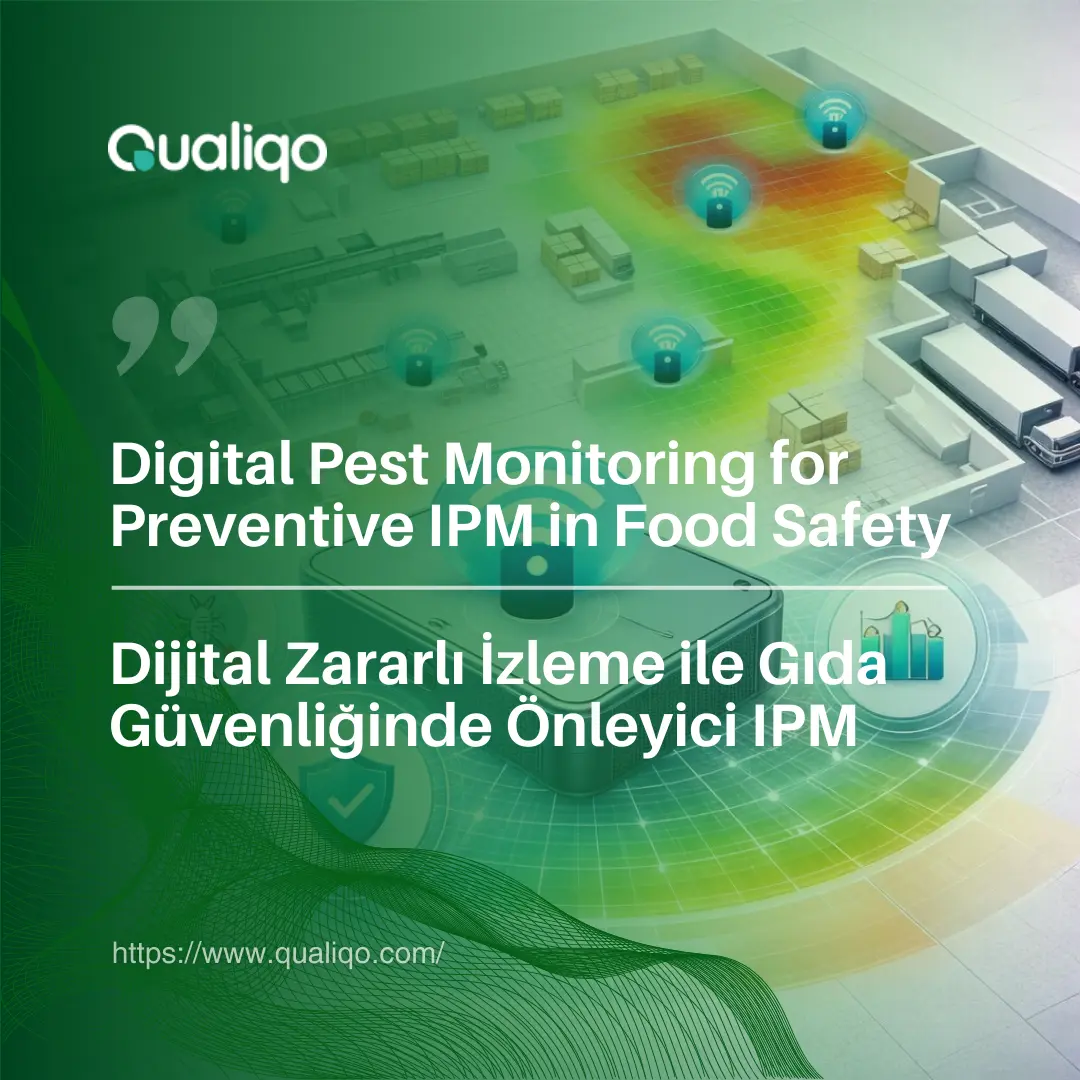
• Pest Control (Integrated Pest Management – IPM)
Implementing physical barriers, traps, monitoring, and regular inspections to eliminate pest-related contamination risks.
• Proper Storage and Handling
Segregating raw and ready-to-eat foods, maintaining correct temperatures, and following FIFO practices.
• Personal Hygiene
Training staff to follow strict hygiene rules, including handwashing, protective clothing, and contamination awareness.
• Cross-Contamination Prevention
Using color-coded tools, dedicated equipment, allergen segregation, and clear workflow separation.
3. Contamination Control Risk Matrix
A clear and structured overview of contamination risks helps manufacturers prioritize actions. The table below summarizes the most common contamination types, sources, risk levels, impacts, and control measures.
| Contamination Type | Common Sources | Risk Level | Potential Impact | Control Measures |
|---|---|---|---|---|
| Biological | Workers, raw materials, equipment surfaces, water, air | High | Foodborne illness, product recall, regulatory non-compliance | Sanitation management, environmental monitoring, CIP, staff hygiene, microbiological testing |
| Chemical | Cleaning agents, pesticides, lubricants, allergens, packaging materials | Medium–High | Chemical poisoning, allergen cross-contact, severe health effects | Correct chemical storage, controlled dosing, label verification, allergen management |
| Physical | Metal fragments, glass, plastic, hair, damaged equipment parts | Medium | Consumer injury, recall, brand damage | Metal detectors, visual inspection, equipment maintenance, PPE rules |
| Allergen Cross-Contact | Shared equipment, improper cleaning, mislabeled ingredients | High | Severe allergic reactions, legal penalties | Dedicated tools, validated cleaning, allergen segregation, training |
| Environmental Contamination | Airborne particles, condensation, drains, HVAC systems | Medium | Microbial growth, cross-contamination, product spoilage | Air filtration, drain maintenance, moisture control, zoning |
4. Monitoring and Verification
Preventive actions must be supported by systematic monitoring:
- Microbiological Testing to detect harmful microorganisms
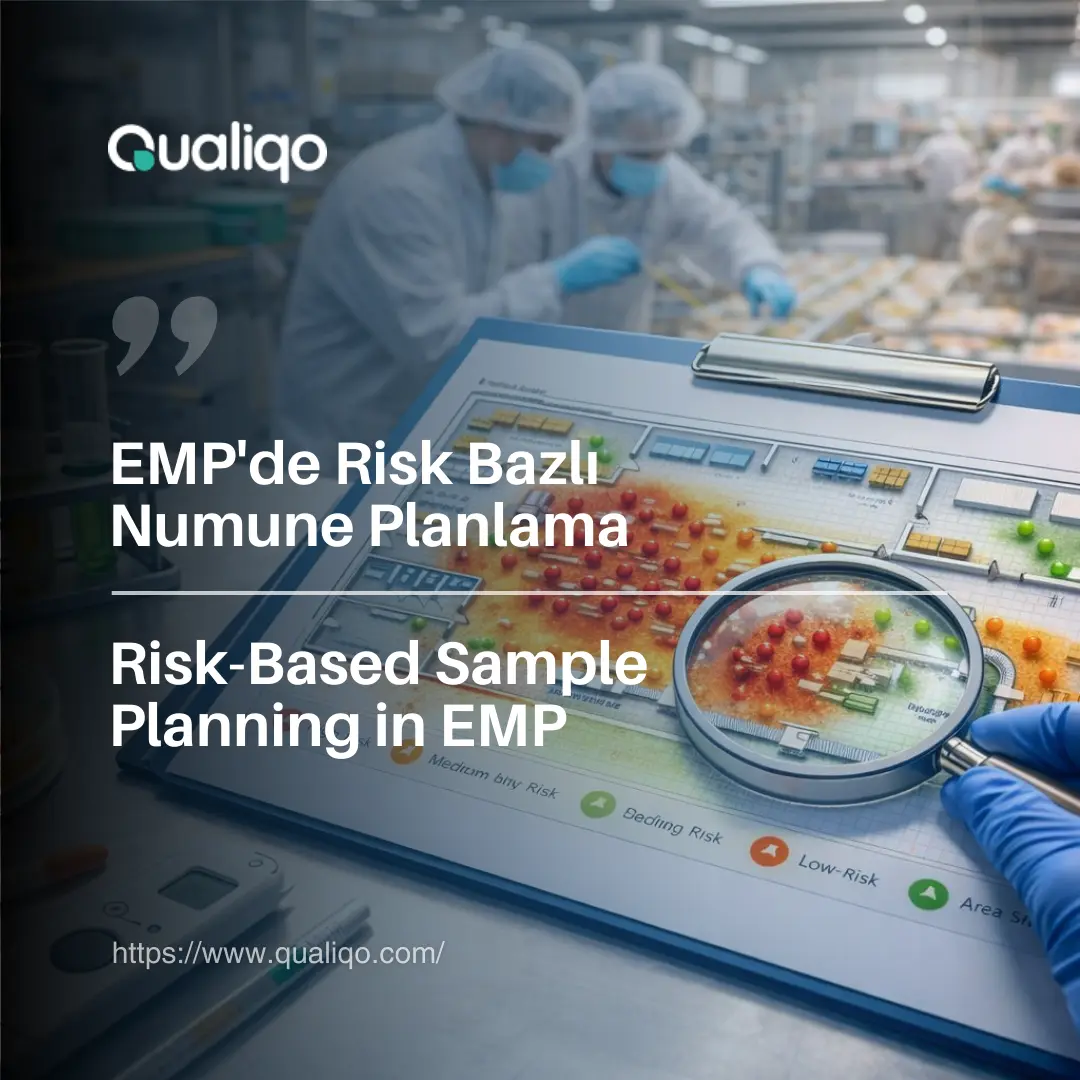
- Environmental Monitoring of surfaces, drains, air, and water
- Record Keeping and Audits to meet compliance requirements
These practices ensure that contamination risks are identified early and addressed promptly.
5. Digital Tools for Stronger Contamination Control
Modern FSMS platforms like Qualiqo empower food manufacturers to manage contamination risks with greater accuracy and consistency:
- Automated sanitation and inspection schedules
- Digital records for pest control, cleaning, and lab results
- Real-time alerts when deviations occur
- Dashboards and reports for internal and external audits
Contamination control is much more than a regulatory requirement. It is a proactive strategy that protects consumers, strengthens operational efficiency, and builds long-term trust. With the right combination of hygiene practices, monitoring programs, and digital support from Qualiqo, food producers can maintain high safety standards every day.
Next Steps
Did you get enough information about “Contamination Control in Food Safety“
Qualiqo is here to help you. It answers your questions about sanitation and hygiene, Lab. & EMP, IPM and Pest Control. We also provide information about the main features and benefits of the software. We help you access the Qualiqo demo and even get a free trial.