Rapid Food Safety Testing

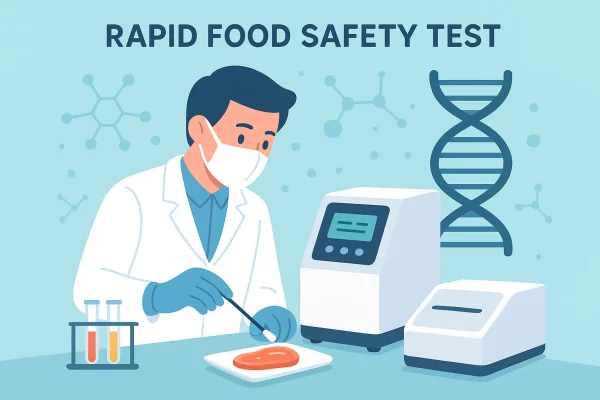
Key Innovations in Rapid Food Safety Testing Food safety is a top priority for every company in the food industry. In today’s fast-moving global supply chains, the challenge is clear: how can we detect potential hazards before they reach consumers? Traditional microbiological testing methods often take several days to deliver results, leaving a dangerous window…
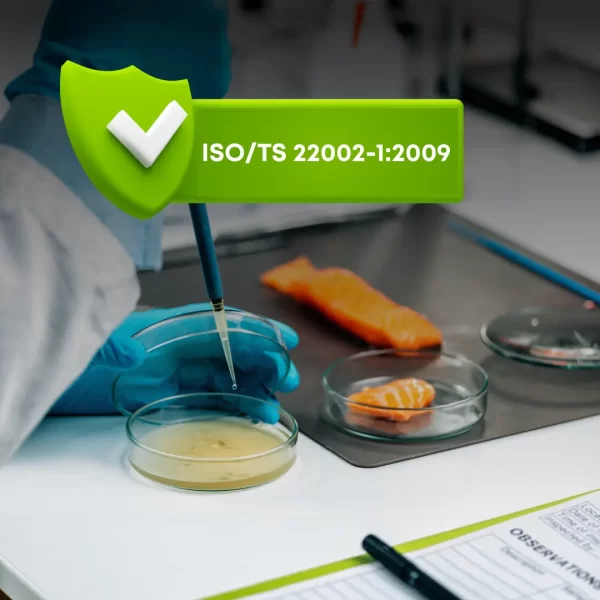
What is ISO/TS 22002-1:2009 ?

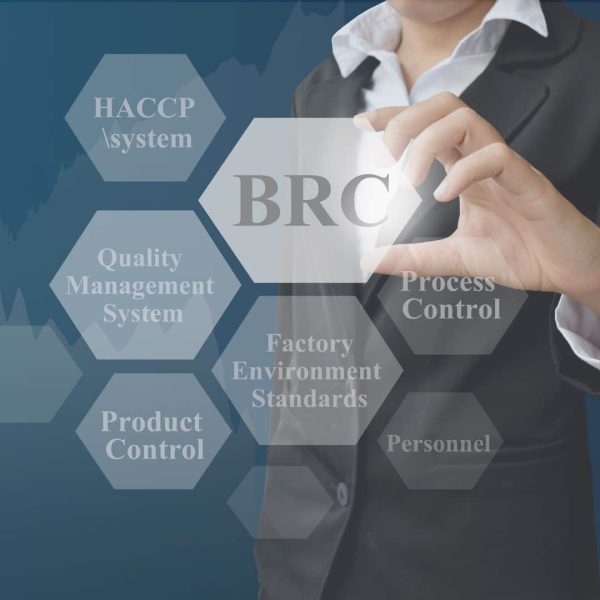
ISO/TS 22002-1:2009 is a technical specification developed for food manufacturers implementing the ISO 22000 Food Safety Management System. It outlines in detail the Prerequisite Programmes (PRPs) that must be established to ensure a safe production environment.to support food safety management in food manufacturing processes. It is specifically designed to complement ISO 22000:2005, particularly Clause 7,…

Smart Food Safety

Smarter Food Safety Starts with Your Data In food production, data is everywhere—test results, cleaning schedules, audit reports, lab findings, pest activity logs, and more. But having access to data is not the same as using it effectively. Today, leading food companies are discovering that how they manage and interpret their food safety data is…

Hygiene Errors: 7 Critical Risks and How to Prevent Them

The Most Common Hygiene Failures Identified During Food Safety Audits In food production facilities, hygiene errors can lead to serious consequences—impacting product safety, legal compliance, and brand reputation. Effective hygiene management goes far beyond routine cleaning. It requires a systematic approach that is well-documented and aligned with food safety regulations. Despite best efforts, many of…

What is Listeria?

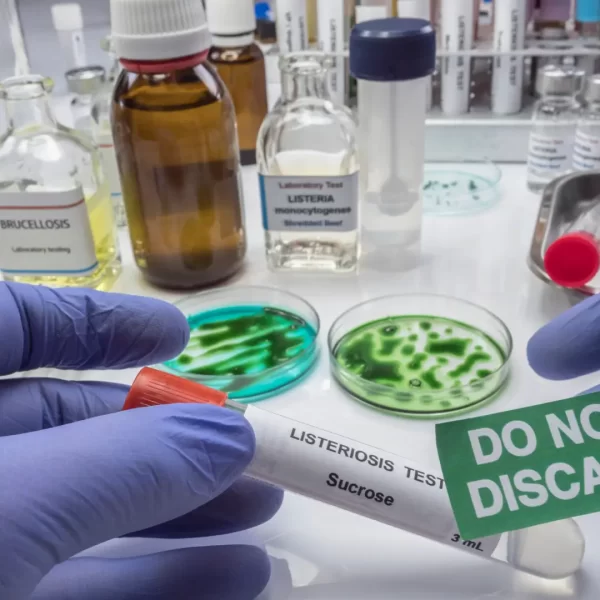
Understanding One of the Most Dangerous Foodborne Pathogens In the food industry, Listeria monocytogenes is a name that commands serious attention—and for good reason. This bacterium is responsible for listeriosis, a severe and sometimes fatal foodborne illness. While it may not be as well-known as Salmonella or E. coli, its risks are often greater due…

Multimillion-Egg Salmonella

Science in Action Salmonella contamination, in April 2025, a major U.S. food producer issued a recall of over 20 million eggs due to the potential presence of Salmonella Enteritidis. The recall—one of the largest in recent years—was initiated by August Eggs, a nationwide supplier whose products were sold in major grocery chains across the United…

What is CAPA?

Corrective and Preventive Actions in Food Safety and Sanitation Management Introduction In the highly regulated world of food production, safety and compliance are non-negotiable. Food businesses must be equipped to detect, correct, and prevent issues before they impact consumer health or disrupt operations. This is where Corrective and Preventive Actions (CAPA) come into play. A…

How Digital Logs Can Save You During Inspections

In food production environments, inspections are a constant reality—whether from government regulators, third-party certifiers, or internal quality teams. While inspections can feel stressful and high-stakes, being properly prepared can turn them into a smooth, confidence-boosting experience. One of the most powerful tools for inspection readiness is the digital log. When used effectively, digital logs can…

Risk Management in Food Safety

Ensuring the Safety of Your Products and Brand In the fast-paced and highly regulated food industry, effective risk management is paramount to ensuring the safety, quality, and compliance of food products. Food safety risks, from contamination to regulatory violations, can have serious consequences for manufacturers, consumers, and businesses as a whole. Implementing a robust risk…