FDA Food Safety Updates

What Food Producers and Quality Teams Must Know The FDA has announced a series of reforms aimed at improving the safety of the U.S. food supply. These include: These changes are more than just regulatory updates. They signal a shift toward stricter safety standards and greater accountability in the food industry. For food producers, quality…

GHP and GMP in Food Safety

Managing Hygiene and Manufacturing Standards Digitally In food production, safety impacts not only product quality but also consumer health and brand reputation. Even a small oversight can lead to serious consequences. This is why standards such as GHP (Good Hygiene Practices) and GMP (Good Manufacturing Practices) are critical in the food industry. However, traditional paper-…

A Complete Guide to Choosing the Right FSMS

Why Software Is Reshaping Food Safety The global food industry is under more scrutiny than ever. With supply chains spanning multiple countries, strict regulations like HACCP, ISO 22000, FSMA, and GFSI standards, and rising consumer expectations for transparency, food companies cannot afford lapses in safety or sanitation. Traditional paper-based systems, manual checklists, or even spreadsheets…

Digital Food Safety

Digital Food Safety: The New Era of Secure Production Through Technology Food safety is a critical concern for both consumer health and the sustainability of businesses. Globalized supply chains, increasing regulations, and evolving consumer expectations demand a new approach to food safety processes. At this point, digital food safety emerges as a key concept. Digital…

Rapid Food Safety Testing

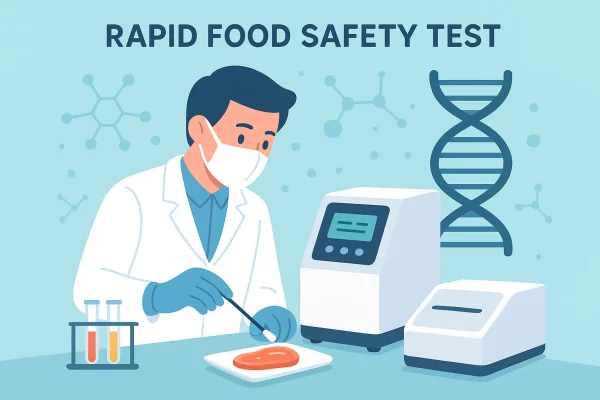
Key Innovations in Rapid Food Safety Testing Food safety is a top priority for every company in the food industry. In today’s fast-moving global supply chains, the challenge is clear: how can we detect potential hazards before they reach consumers? Traditional microbiological testing methods often take several days to deliver results, leaving a dangerous window…

What is ISO/TS 22002-1:2009 ?

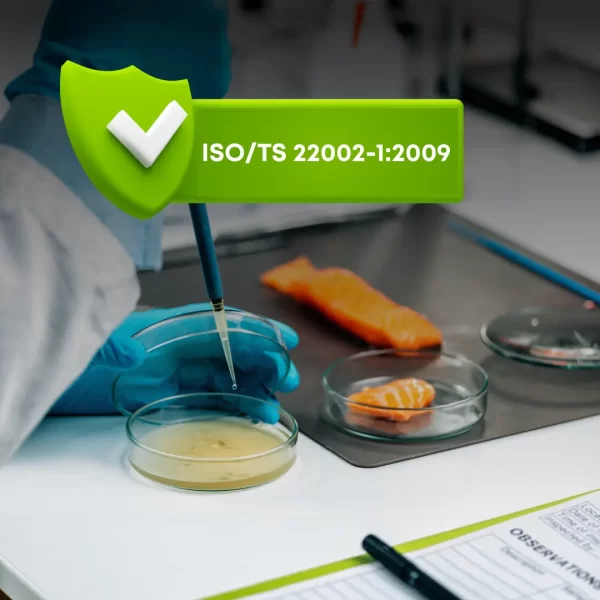
ISO/TS 22002-1:2009 is a technical specification developed for food manufacturers implementing the ISO 22000 Food Safety Management System. It outlines in detail the Prerequisite Programmes (PRPs) that must be established to ensure a safe production environment.to support food safety management in food manufacturing processes. It is specifically designed to complement ISO 22000:2005, particularly Clause 7,…

Hygiene Errors: 7 Critical Risks and How to Prevent Them

The Most Common Hygiene Failures Identified During Food Safety Audits In food production facilities, hygiene errors can lead to serious consequences—impacting product safety, legal compliance, and brand reputation. Effective hygiene management goes far beyond routine cleaning. It requires a systematic approach that is well-documented and aligned with food safety regulations. Despite best efforts, many of…

What is Listeria?

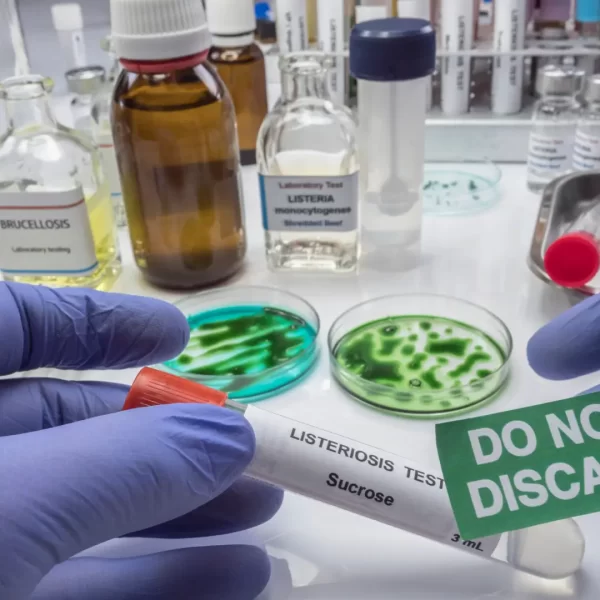
Understanding One of the Most Dangerous Foodborne Pathogens In the food industry, Listeria monocytogenes is a name that commands serious attention—and for good reason. This bacterium is responsible for listeriosis, a severe and sometimes fatal foodborne illness. While it may not be as well-known as Salmonella or E. coli, its risks are often greater due…

Multimillion-Egg Salmonella

Science in Action Salmonella contamination, in April 2025, a major U.S. food producer issued a recall of over 20 million eggs due to the potential presence of Salmonella Enteritidis. The recall—one of the largest in recent years—was initiated by August Eggs, a nationwide supplier whose products were sold in major grocery chains across the United…